
Why Some Alterations Can’t Be Rushed
Cleaner Marketing
|
February 27, 2026
Table of Contents
Alterations are permanent changes, and some simply need room to be done correctly. Fabric behaves differently once it’s cut, reshaped, or released, which is why skilled alteration work rarely happens in a single motion. Even experienced professionals often pause between steps to let seams settle and ensure the garment holds its shape.
When alterations are rushed, stress points show up where you least want them: seams pull, hems twist, and silhouettes lose balance. These aren’t always immediate issues, but they often arise after the garment is worn. Taking the right amount of time helps avoid those issues altogether.
This post explains which alterations are well-suited for quick turnaround and which benefit from a longer timeline.
Simple Alterations That Can Be Done Quickly
Some alteration requests are straightforward, which is good news when time is tight. These are the fixes most people picture when they think of “quick tailoring”. They don’t change how the garment is built, only how it sits on your body. When done properly, these alterations can usually be completed without multiple fittings or long wait times.
Hems and minor waist adjustments
Hemming pants, skirts, or sleeves is usually one of the fastest alterations a tailor can perform. The length is adjusted, the fabric is finished, and the original structure stays intact. Minor waist adjustments, such as taking in or letting out a waistband slightly, also fall into this category when there’s enough seam allowance to work with.
These types of alterations work quickly because:
- They don’t affect other parts of the garment
- They follow existing seam lines
- They don’t require reshaping the overall fit
Typical turnaround windows
In many shops, simple alterations can be completed in a few days, sometimes sooner, depending on workload. If you’re short on time, these are usually the safest alterations to ask about, but it’s still smart to take in the garment as early as possible.
Alterations That Require Multiple Steps
Some garments require more than one adjustment to fit correctly. Jackets, dresses, and structured pieces are built in layers, and each change affects how the rest of the garment behaves. Each step requires care and accuracy, which naturally adds time. Trying to rush this process usually leads to new issues.
Jackets, dresses, and structured garments
When a jacket needs reshaping, the tailor may need to adjust the shoulders, chest, waist, and sleeves in coordination. Dresses with darts, linings, or boning require careful disassembly and reassembly. These alterations take time because parts of the garment must be carefully reworked.
Common multi-step alterations include:
- Reshaping jackets or blazers
- Adjusting fitted dresses through the torso
- Modifying garments with linings or internal structure
Fittings and rechecks
These alterations often require at least one follow-up fitting. After the initial changes, the tailor needs to see how the garment moves on your body. This stage often includes minor adjustments to refine the fit of the garment.
Formalwear and Event-Driven Alterations
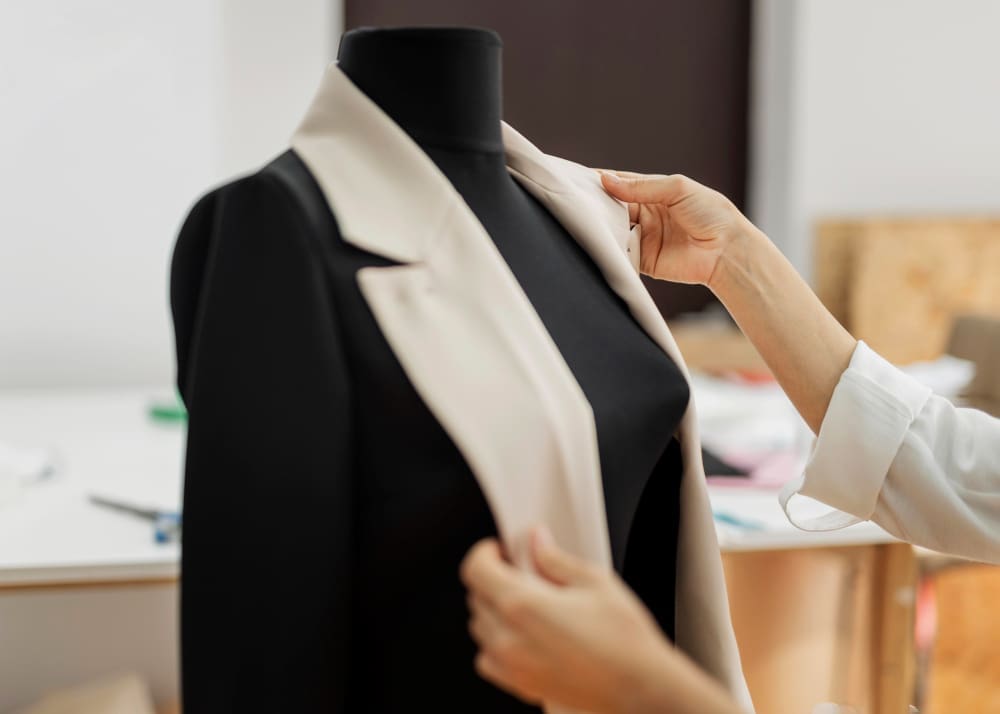
Formalwear raises the stakes. These garments are worn for important moments, photographed from every angle, and often made from delicate or layered fabrics. As a result, alteration timelines tend to be longer and more deliberate. Getting it right matters more than getting it fast.
Suits, gowns, and wedding attire
Suits often require coordinated adjustments across the jacket and pants to maintain balance. Evening gowns and wedding dresses may include multiple layers, lace, beading, or structured bodices that require careful handling.
These garments usually involve:
- Multiple fittings
- Hand-finishing details
- Extra pressing and shaping
Built-in buffer time
Professional tailors plan buffer time into formalwear alterations for a reason. If a minor issue arises during a fitting, room is needed to address it without panic. When you allow extra time, alterations feel controlled and thoughtful instead of rushed and stressful.
Factors That Can Extend Alteration Timelines
Even with the best planning, some factors naturally slow the process. These are the realities of working with fabric and fit. Being aware of this up front helps avoid unnecessary frustration.
01 Fabric complexity
Some fabrics behave beautifully but demand patience. Silk, satin, velvet, lace, and lightweight knits require slower stitching and extra care. Mistakes show easily, so tailors move carefully by design.
02 Fit changes after the initial fitting
Bodies change, weight shifts, posture changes, and even shoe height can affect how a garment fits after the first fitting. Additional time may be needed to ensure everything is accurate.
03 Seasonal demand
Certain times of year are busier than others. Wedding season, prom season, and holiday months increase alteration volume. During these periods, even simple alterations may take longer due to demand.
Why Rushing Alterations Often Backfires
When alterations are rushed, something almost always gives. It might be the fit, the finish, or the long-term durability of the garment. Speed can be convenient, but it often comes at a cost you don’t see right away.
Fit compromises
When alterations are rushed, there’s rarely room to double-check the details. This can lead to restricted movement, uneven hems, or a silhouette that feels off after a few minutes.
Reduced craftsmanship
Quality alterations rely on clean stitching, proper pressing, and thoughtful shaping. Speed limits the time available for these details. Once fabric is cut or seams are altered, mistakes are hard to undo.
Avoid Last-Minute Stress – Let Sterling Cleaners Handle Your Alterations
Alterations work best when there’s room to do them properly, and that’s exactly how Sterling Cleaners approaches every garment entrusted to our skilled tailors. As specialists in clothing alteration and repair services in Washington, D.C., we help you achieve a precise fit without the pressure of last-minute rushes or any compromise in craftsmanship.
Call 202-972-4459 today or schedule your alteration online and get clear guidance on timing before busy seasons fill up. We’re here to make the process easy, comfortable, and worth it, no matter what you wear.