
There are two versions of wedding dress preservation. One captures every benefit it's capable of delivering, and one delivers a smaller, partial version of the same thing. The only difference between them is timing, not the service itself, not the price, not anything you'd notice by comparing two brochures side by side.
You don’t choose whether to preserve your dress. That decision's already made. You choose which version of it you receive.
(01) The Highest Possible Stain Recovery Rate
Book within the first few weeks after the wedding, and the residues sitting invisibly in your dress right now are still fresh enough to break down completely with the right solvent. Wait months instead, and those same residues have often already turned into a permanent, set-in stain that recovery odds no longer favor.
Why Fresh Champagne, Sweat, and Body Oil Residues Are Fully Treatable
Champagne looks like it evaporates without a trace. It doesn't. The sugar it leaves behind is invisible on white satin at first, then it caramelizes as it oxidizes, turning a faint tea color that gentle spotting can't lift. Book within the first few weeks, and that sugar is still fresh enough to break down completely with the right solvent. That's the window where you get full recovery, not partial recovery.
The same clock runs on sweat and body oil around the underarms, waistline, and hem. Those residues are nearly invisible on the wedding day itself, which is exactly why so many brides don't think to act on them right away. You act now, and a preservationist treats those residues before they have a chance to set.
Here's the difference that timing makes:
- Weeks 1 to 3: champagne sugars and body oil residues are typically fully treatable.
- Months 3 and beyond: the same residues have often oxidized into a permanent, set-in stain that recovery odds no longer favor.
Booking wedding dress preservation while everything is still fresh gives you the best odds you'll ever have of a dress that looks exactly as clean decades from now as it did on your wedding day.
(02) No Accumulating Damage Inside the Storage Environment
You get a real head start when you preserve right away: a dress that goes into an archival box clean, stays clean, because nothing inside the box is still reacting. Acid-free tissue and controlled storage slow decay, but they can't stop a chemical reaction that's already underway inside the fabric.
Preserve now, and you lock in a stable dress from day one. The box protects it, full stop. Wait, and the box ends up doing double duty: protecting the dress from the outside world while an unresolved reaction keeps working on the inside.
(03) Fabric Structural Integrity Preserved Before Fold Stress Accumulates
Silk, silk blends, and fine lace hold a crease the same as paper. Every month your dress sits folded in a closet rather than properly supported, the fibers along those fold lines absorb stress they don't release on their own. Act early, and you sidestep that buildup almost entirely.
Museum textile conservators handle this by never storing delicate fabric folded for long stretches, and professional preservation follows the same principle: acid-free tissue pads every fold to relieve that stress. This matters even more if your dress has beading, sequins, or layered tulle, since those embellishments concentrate weight along the seams and folds and make the surrounding fabric more likely to weaken there first.
A dress you preserve after one month starts with almost no fold stress to correct. Give it eighteen months first, and the tissue can only soften creases that have already set, not erase them.
(04) Peace of Mind, the Task Comes Off Your List
This benefit isn't about the fabric. It's about you. A wedding dress sitting in a closet is a small, quiet task that never resolves itself, it just moves to next month, then next year, usually with a background worry attached about whether it's degrading while you wait.
You gain something real the moment you book: one less open loop, and the satisfaction of finishing something that actually mattered to you.
(05) The Dress Remains a True Heirloom Option for the Long Term
You may not know yet whether a daughter, niece, or future family member will ever want to wear your dress. You don't have to know. What you can control right now is whether or not that option stays open, and it depends entirely on the condition of the fabric decades from now.
Preserve promptly, and you give the dress its best realistic shot at staying wearable rather than becoming a piece where you have to explain the stains. A stain that sets permanently by month six doesn't just look worse, it can take the heirloom option off the table entirely, turning a dress someone could wear into a dress they can only look at.
(06) Retained Resale or Donation Value if Plans Change Later
You might be certain today that you'll keep this dress forever. Plenty of brides feel exactly that way on their wedding day, and plenty of them change their mind five or ten years later, once storage space gets tight or the sentimental weight shifts. Preserving now keeps your future options open, whichever way you decide to go.
Here's what consignment buyers and donation programs actually look for:
- Clean, professionally preserved fabric with no set-in staining
- Intact structure and unweakened fold lines
- Documentation showing the dress was cared for properly after the wedding
A dress with age-related yellowing and weakened seams typically doesn't hold value with either group, no matter how beautiful the design once was. You don't have to decide today whether you'll ever sell or donate the dress. You just have to preserve it now to keep the choice available.
(07) The Ability to Document the Dress While the Memory Is Fresh
Preservation intake is also your best window to build a paper trail you'll be glad to have later, either for an insurance claim or your own record. Right now, you can still remember exactly where the champagne landed and which chair scraped the hem. Six months from now, most of that detail blurs together.
Receipts, Appraisals, Photos, and Any Known Spill Notes
Bring these to intake while they're easy to gather:
- Original purchase or rental receipt
- Formal appraisal, if you have one
- A few wedding day photos showing the dress in good light
- A quick written note on anything you remember spilling, snagging, or catching
That documentation stays on file with your preservation record, giving you a complete history attached to the dress for as long as you keep it.
What Immediate Preservation Doesn't Guarantee – Being Honest About the Limits
Preservation isn't a force field, and you deserve the full picture before you book. It slows decay under proper storage conditions, but it doesn't stop fabric aging entirely, and it can't reverse damage that had already set in before the dress arrived for intake. It also won't protect the dress from damage that happens after preservation, if the box later ends up in a hot attic, a damp basement, or direct sunlight instead of a stable closet.
It doesn't guarantee future resale value either. Bridal fashion trends shift, and the market value of a dress depends on style as much as condition. What prompt preservation does guarantee is that the fabric itself, the one part actually within your control, goes into storage in the best possible condition.
Everything after that comes down to how it's stored and handled, which is also why the box you preserve matters. A sealed, climate-stable box in a closet away from sunlight and temperature swings protects the work your preservationist already did. A box left somewhere humid or hot works against it.
How to Book Intake This Week
Booking is simpler than you'd expect. Here's exactly how it works:
- Call or schedule online. There's no need to spot clean the dress beforehand.
- Bring any accessories you want preserved alongside it, such as a veil, garter, or gloves.
- Bring your receipt, appraisal, or photos if you have them.
- Walk through the dress with a staff member, who will point out anything they notice and explain the process before any work begins.
Preserve Your Wedding Dress with Sterling Cleaners Before Time Changes It
The advantages of wedding dress preservation begin with understanding exactly what your dress needs. At Sterling Cleaners, every preservation starts with a careful inspection, an open discussion of the condition of your dress, and a treatment plan tailored to its fabric, embellishments, and any stains present.
You'll know what we see, why we recommend a particular approach, and what to expect before preservation begins. Schedule your Wedding Dress Cleaning and Preservation Service intake this week so your dress can be professionally assessed while these long-term preservation benefits are still fully within reach.
📍Dupont Circle
Address: 1333 Connecticut Ave. NW, Washington, D.C., 20036
Phone: +1 202-991-3398
Hours: Monday to Friday, 8:00 AM to 5:00 PM. Saturday, 9:00 AM to 3:00 PM.
📍Petworth
Address: 4408 Arkansas Ave. NW, Washington, D.C., 20011
Phone: +1 202-785-1444
Hours: Monday to Friday, 7:00 AM to 3:30 PM.
Email: info@sterlingcleaner.com
Walk past enough dry cleaners and you’ll see the same words on dry cleaner windows: eco-friendly, green, organic. The labels are so common now that they barely tell you anything. If every dry cleaner says they’re the green option, how do you figure out which actually changed something and which just borrowed a word that sounds good?
This guide breaks down what’s really happening when a dry cleaner says “eco-friendly.” You’ll learn what each method actually involves, which methods genuinely cut down on chemical exposure compared to traditional PERC-based cleaning, and what to ask before you hand over your clothes.
What Traditional Dry Cleaning Uses
Perchloroethylene: The Solvent Behind “Regular” Dry Cleaning
If you’ve ever picked up a freshly cleaned suit and caught a faint chemical smell, that was probably perchloroethylene, PERC for short. It’s been the standard dry cleaning solvent for decades because it works. PERC cuts through oil-based stains, handles a wide range of fabrics, and does it without shrinking or warping most garments.
Here’s the part that matters: the EPA classifies PERC as a likely human carcinogen, and it’s a documented groundwater contaminant when it isn’t disposed of properly. States such as California have moved to phase it out of dry cleaning operations entirely.
But the risk isn’t the same for everyone. If you drop off a few garments a week, your exposure to trace residue is low. The real concern sits with the people who work around PERC every day, and with the soil and water near facilities that don’t manage it carefully. That distinction is worth knowing before you decide how worried you are about your own clothes.
Why PERC Is Still Around
So why does any cleaner still use it? Mostly because of cost. PERC machines are less expensive to run and maintain than newer alternatives, and replacing that equipment is a real capital expense, one a lot of small dry cleaning businesses haven’t made yet.
This is why one question gets you more useful information than almost anything else: “Do you use PERC?” A cleaner who gives you a direct yes or no, without hedging, already shows you something honest about how they run their business.
The Main Alternatives to PERC: What “Eco-Friendly” Actually Covers
“Eco-friendly” isn’t one method, it’s a label that gets stretched over several genuinely different processes. They aren’t interchangeable, and they aren’t equally green.
Liquid CO2 Cleaning: The Gentlest Option
Liquid CO2 cleaning uses pressurized carbon dioxide instead of a chemical solvent. It leaves no chemical residue, creates no toxic byproducts, and is gentle enough for your most delicate fabrics.
It’s also the option you’re least likely to find at your neighborhood cleaner. CO2 systems cost more to install, so fewer cleaners offer them, and prices for garments run higher. If you choose purely based on which method is the most environmentally benign, this is your answer, but it’s the premium option, not the standard, and most garments don’t strictly need it.
Professional Wet Cleaning: Water-Based, But Not Like Doing Laundry at Home
Don’t confuse this with throwing a “dry clean only” sweater into your washing machine. Professional wet cleaning uses specialized equipment that precisely controls water temperature, mechanical action, and detergent chemistry, a level of control your home washer can’t touch. The detergents are biodegradable, and the process ranks among the safest methods from a chemical exposure standpoint.
Wet cleaning handles a surprising number of garments labeled “dry clean only.” It’s not universal, however. Certain fabrics and constructions still need solvent-based cleaning to hold their shape and finish. Think of wet cleaning as a major piece of the eco-friendly picture, not a replacement for everything else.
Hydrocarbon and Silicone-Based Solvents: The Middle Ground
This is where most D.C. cleaners marketing themselves as “eco-friendly” actually operate. Hydrocarbon solvents (sometimes labeled DF-2000) and silicone-based solvents (often branded GreenEarth®) have become the default replacement for PERC among cleaners who’ve upgraded their equipment.
Both are less toxic than PERC and don’t carry PERC’s EPA carcinogen classification. They’re also gentler on fabrics overall. Both are still petroleum derived chemicals. Calling them “eco-friendly” is accurate in a relative sense – they’re a real improvement over PERC, but that’s different from chemical-free or environmentally neutral.
If a cleaner’s entire green claim rests on one of these solvents, that’s progress, just not a transformation.
Is Eco-Friendly Dry Cleaning Safe for Your Clothes?
So far, we’ve covered health and environmental safety. But there’s a second question that affects your closet directly: is dry cleaning safe for the garment itself?
How Gentler Solvents Treat Delicate Fabrics and Embellishments
Generally, yes: liquid CO2 and wet cleaning are easier on silk, cashmere, sequins, and beaded or embellished pieces than PERC-based cleaning. Less aggressive chemistry means less stress on dyes, finishes, and decorative details.
But “gentler” isn’t a guarantee on its own. A complicated silk garment cleaned with the wrong technique can still come back damaged, even with a gentle solvent. The method matters, but so does the skill of the person running the machine. A skilled operator using hydrocarbon solvent will often outperform an inexperienced operator using CO2.
When Traditional Dry Cleaning Is Still the Right Call
Here’s a point that gets overlooked in most eco-friendly discussions: sometimes PERC-based cleaning genuinely is the better choice for a specific item. Heavily structured pieces, vintage suits, canvassed jackets, and certain formalwear with built-in shaping, can hold their structure better under solvent-based cleaning than under water-based alternatives.
A cleaner who knows their craft will tell you this. They won’t push every garment through the “green” process just because it’s their marketing angle. A cleaner willing to say, “this piece would actually do better with traditional cleaning,” shows you more expertise than one who claims a single method works for everything.
How to Cut Through the Greenwashing When Choosing a D.C. Dry Cleaner
You don’t need a chemistry background to evaluate a dry cleaner. You need one good question, and an ear for how it gets answered.
The Question That Separates Real Process from Marketing
Ask this: “What specific solvent or method do you use, and why is it right for this garment?”
Here’s what each kind of answer tells you:
- A specific method name (CO2, wet cleaning, hydrocarbon, GreenEarth®) plus a reason it suits your garment: this cleaner knows their process.
- A willingness to say a different method might work better for a particular piece: this cleaner is thinking about your garment, not their marketing.
- A vague answer like “we’re green and use safe products,” with no specifics: this cleaner’s marketing has outpaced their actual process.
What Real Transparency Looks Like
A trustworthy cleaner names their methods. They’ll tell you whether they’re running CO2, wet cleaning, hydrocarbon, or yes, sometimes still PERC for certain items, and they’ll explain the reasoning instead of leaning on a buzzword. “Green” and “organic” mean very little as standalone claims. What means something is a cleaner who can walk you through their actual process and match it to your specific garment.
That’s the standard to which we hold ourselves at Sterling Cleaners. If you’re searching for eco-friendly dry cleaning near Washington, D.C. and want a cleaner who can tell you exactly what’s happening to your clothes, not just that it’s “safe,” stop by and ask. We’ll walk you through the methods and solvents we use, and why, for whatever you bring in.
Trust Sterling Cleaners to Deliver Safe Cleaning and Outstanding Results
A dry cleaning service that delivers great results while using a more responsible process gives you the confidence to care for your wardrobe the right way. With more than 90 years of experience, advanced cleaning technology, and FREE Pickup and Delivery Service throughout Washington, D.C., Sterling Cleaners makes it easy to protect your garments without sacrificing convenience or quality.
Schedule your FREE Pickup and Delivery Service today and discover why generations of Washington, D.C. residents trust Sterling Cleaners with their most valued clothing.
Dupont Circle Location
📍 1333 Connecticut Ave. NW, Washington, D.C., 20036
Arkansas Avenue Location
📍 4408 Arkansas Ave. NW, Washington, D.C., 20011
While leather owners understand very well the utmost importance of both cleaning and conditioning, knowing when to do which is where the confusion starts. A jacket might still look great, but feel stiff. A handbag could be spotless yet start showing small cracks in the straps. Shoes may have a rich shine but feel dry to the touch.
So how do you decide what your leather needs today — a deep clean or a nourishing condition? To make the right call, you have to know what to look for — and just as importantly, what to avoid. Not all surface flaws mean a deep clean, and not all dryness can be solved with conditioner alone.
This guide walks you through simple ways to assess the real condition of your leather and respond accordingly.
Leather Cleaning vs. Conditioning
Cleaning and conditioning may seem similar, but they serve entirely different purposes in leather care — and timing is everything.
Cleaning is your first step, focusing on removing surface dirt, grime, sweat, and stains that naturally build up from everyday wear and handling. This process keeps the leather looking fresh and prevents contaminants from breaking down its fibers.
Conditioning comes afterward, acting as nourishment for the leather. Over time, natural oils in leather evaporate due to use, sunlight, heat, and even air conditioning. Without replenishment, leather can dry out, lose flexibility, and eventually crack. Conditioning restores lost oils and moisture, keeping the material supple, rich in color, and resistant to premature wear.
The key takeaway? Cleaning resets the leather — conditioning sustains it.
Key Differences
| Aspect | Cleaning | Conditioning |
|---|---|---|
| Main Purpose | Removes dirt, grime, sweat, oils, and stains | Restores moisture and natural oils |
| When to Do It | As soon as the leather looks dirty or feels tacky | Every 3–6 months, or more often in dry conditions |
| Primary Benefit | Prevents buildup that can damage fibers | Keeps leather flexible, supple, and prevents cracking |
| Tools/Products | pH-balanced leather cleaner, soft cloth or sponge | Leather conditioner (non-petroleum-based), clean cotton towel |
| Method Tips | Use gentle circular motions; avoid harsh cleaners | Apply evenly, allow full absorption, avoid over-conditioning |
| Common Mistakes | Using acetone, detergents, or window cleaners | Conditioning without cleaning first; using petroleum-based products |
How to Tell When Leather Needs Cleaning
Not sure when it’s time to clean your leather? There are several clear signs you can watch for. If your leather looks dull, feels sticky or oily, or smells musty, it probably needs a deep clean. Surface spots like grease, dirt, hair oil, or mildew are also dead giveaways. The key is to catch it early, before stains set in or permanent damage starts.
1. Look for Visible Dirt, Grease, or Mildew
Most leather shows signs when it needs attention, but you have to know what to look for. Different types of leather will show dirt in different ways. Suede and nubuck might look dark or matted, while smooth leather might develop shiny patches where skin oil has built up.
- Dirt often collects on high-touch areas like armrests, coat collars, or purse handles.
- Mildew can look like white powdery spots or dark fuzzy patches, especially on items stored in humid places.
- Grease and body oils will make leather feel tacky and look darker in certain areas.
2. Don’t Ignore Strange Smells or Slick Surfaces
Sometimes, it’s not what you see, but what you feel or smell, that tells you your leather needs a cleaning. Leather that has absorbed sweat, skin oil, hair products, or perfume may carry a sour or musty odor. This can affect everything from your leather sofa to your boots or jacket.
- If it smells funky, it’s time to clean.
- If the surface feels greasy, slick, or sticky, it’s likely saturated with oils.
- Use a leather couch cleaning service or professional leather cleaner if odor or mildew has soaked into the grain.
Quick Tip: If you're unsure, swipe a white cotton cloth across the surface. If it picks up grime, your leather needs cleaning.
When Is It Time to Condition Your Leather?
Leather doesn’t always need conditioning right away, but when it does, you’ll want to act quickly. Conditioning is your best defense against cracking, fading, and stiffness. If your leather feels dry, looks faded, or starts to wrinkle or crease unusually, it’s a clear sign it’s lost moisture. Proper conditioning brings back life into tired-looking leather by restoring essential oils and flexibility.
1. Check for Dryness, Cracking, or Loss of Sheen
Healthy leather has a soft, flexible feel and a slight natural sheen, known as its patina. When it starts to dry out, it may feel stiff, lose its color depth, or show fine surface cracks. This is especially common in leather furniture, car seats, and jackets that are exposed to sunlight and heat.
- Rub the surface lightly. If it feels rough or “papery,” it’s time to condition.
- Watch for fine cracks, especially near seams or folds.
- If the leather looks flat and dull, it may be thirsty for moisture.
2. Consider the Age, Use, and Environment of the Item
Not all leather wears the same. Items that are used daily, exposed to sunlight, or stored in dry environments will dry out faster. Leather boots, bags, and furniture near heating vents or windows are especially at risk.
- Condition every 3–6 months for moderate use, more often in dry or hot climates.
- Rotate the use of leather items to avoid uneven drying or wear.
- Use products like leather conditioner for couch or leather conditioner for cars that are designed for your item type.
Clean. Condition. Protect. Call Sterling Cleaners for Professional Leather Care!

Don’t take chances with your favorite leather pieces. Sterling Cleaners offers premium care that removes buildup, replenishes moisture, and preserves the integrity of everything from everyday boots to high-end handbags.
Our Leather Cleaning Service in Washington, D.C. covers every item in your collection: coats, pants, skirts, hats, belts, gloves, jackets, wallets, dresses, handbags, shoes, boots, and purses. We use professional-grade conditioners to keep your items soft, flexible, and a joy to use.
Call us at 202-839-8264 or drop by our convenient location at 1333 Connecticut Avenue NW, Washington, D.C., 20036, for in-person service.
Most women are drawn to dresses based on their color, fabric, or overall style, rarely thinking twice about how perfectly they fit. It could be that the waistline is a little too low, or the bust arches a little too high, or the hem falls awkwardly. And so it ends up hanging in the closet, unworn but too nice to give away.
Don’t be too quick to completely discard these pieces. A skilled tailor can reshape a hem, adjust a waistline, or smooth out a neckline in ways that completely change how a dress fits and feels. In this post, let’s go over the most requested alterations that make the biggest difference.
1) Taking in or letting out the sides
Having a dress that fits too loosely or feels a bit snug around your curves is one of the most common frustrations. That’s why taking in or letting out the sides tops the list of popular alterations. It’s an effective way to make sure your dress hugs your body in all the right places, whether you’ve had size changes over time or just bought something that’s close but not quite perfect.
This type of alteration involves careful adjustments to the seams along the sides of your dress. A skilled tailor can either remove excess fabric to take it in or open up the seams and use built-in allowances to let it out slightly.
Things to keep in mind when altering the sides
Before jumping into this, it’s smart to understand a few key points so you know what to expect:
- Most dresses have a limited seam allowance. This means there’s only so much extra fabric inside the seams that can be let out, often about an inch or less total.
- Taking in a dress is usually simpler than letting it out. Removing fabric creates a clean fit, while adding room relies on whether the original manufacturer left enough material inside.
- Always bring your usual undergarments. Your bra or shapewear changes how a dress sits, so it’s crucial for accurate pinning and marking.
This way, you and your tailor can talk realistically about how much adjustment is possible and where it will make the biggest difference.
2) Shortening or lengthening the hem
Few things transform the overall look of a dress like changing the hem. Whether it’s a maxi dress you’d love to wear with flats or a cocktail dress that feels too long and matronly, adjusting the hem instantly updates the style. It also ensures your dress works perfectly with your favorite shoes, avoiding that awkward dragging or cutting-off-your-leg-line effect.
Shortening is more common than lengthening because most dresses don’t have a lot of extra fabric tucked into the hem. However, if you’re lucky, some formal gowns do come with deeper hems that can be let down slightly.
Important details for hemlines
Here are a few practical tips and things to discuss with your tailor about hem alterations:
- Bring your shoes. The height of your heel changes everything. Your tailor needs to see exactly where the hem should fall.
- Check the dress layers. Many gowns have linings, outer layers, or decorative trims that require extra work to hem them evenly.
- Consider the style. A high-low or asymmetrical hem needs a tailor experienced with specialty cuts to keep the look balanced.
When done correctly, a hem adjustment doesn’t just fix length — it can make your entire silhouette look taller and more proportionate.
3) Adjusting straps or shoulder seams
Straps that slip off your shoulders or shoulder seams that don’t quite sit right can make a beautiful dress feel awkward and uncomfortable. That’s why adjusting straps or the top seams is such a popular request, especially for sundresses, formal gowns, and sleeveless cocktail dresses.
It’s a straightforward fix that dramatically improves how the dress sits on your frame. By shortening straps or lifting the shoulder seams, the neckline is pulled up, helping everything stay exactly where it belongs.
Helpful insights about strap and shoulder fixes
To make sure you get the best results, keep in mind these points when planning this alteration:
- Test how it moves. During your fitting, raise your arms, twist, and move naturally to be sure the straps won’t dig in or shift awkwardly.
- Match the adjustments. Both sides need to be shortened equally, but a seasoned tailor will also check your natural shoulder slope to make small tweaks if needed.
- Use the right undergarments. Like side alterations, these affect how your neckline sits, so always wear the same bra or support you’ll use with the dress.
It’s a small tweak that often makes the biggest difference in comfort and confidence.
4) Adding a bustle or lifting the train
If you’re wearing a wedding dress or an evening gown with a sweeping train, you’ll almost certainly want to add a bustle. This is a clever way to lift and secure the train after your ceremony or photos, so you can walk, dance, and move without tripping over layers of fabric.
A bustle uses small hooks, buttons, or loops that gather the train up and off the ground, blending seamlessly into the back of your dress when not in use. It’s a lifesaver for brides and anyone with a floor-length formal gown.
What to ask about bustles
Because every gown is different, there are a few practical points to discuss with your tailor:
- Different bustle styles. You might hear terms like “over bustle” or “French bustle.” These describe whether the fabric gets tucked up over the skirt or underneath it.
- Practice makes perfect. Have your tailor show you (and a friend or bridesmaid) exactly how to fasten the bustle. The last thing you want is to be stuck figuring it out on your wedding day.
- Consider the dress weight. Heavier gowns may need extra reinforcement or multiple pickup points to hold the fabric securely.
Done right, a bustle keeps your elegant train intact for the ceremony while giving you total freedom for the reception.
5) Replacing or fixing zippers and buttons
A broken zipper or missing button doesn’t mean your dress is done for. In fact, replacing or repairing closures is one of the simplest yet most essential alterations. It restores not just the look of your dress but also its function — so you’re not stuck fumbling with a stubborn zipper right before an event.
Tailors can swap in new zippers that match or even upgrade to a stronger, smoother one. Likewise, replacing missing or dull buttons with decorative options gives a subtle style refresh.
Details about closure repairs
When talking to your tailor about fixing zippers or buttons, here’s what to keep in mind:
- Take in the dress before it’s an emergency. Rush zipper replacements are possible, but it’s best to allow time in case special matching parts need to be ordered.
- Decide on aesthetics. Do you want buttons that blend in perfectly, or would contrasting colors or materials give your dress a fun new twist?
- Ask about reinforcement. Especially with heavy fabrics or tight fits, your tailor may recommend reinforcing the area to prevent future issues.
It’s a quick fix that keeps your dresses wearable and often adds an extra polish you didn’t even know was missing.

We Make Good Dresses Fit Great — Visit Sterling Cleaners Today!
A better fit can change everything. It can boost your confidence, elevate your style, and give new life to dresses you almost gave up on. At Sterling Cleaners, we specialize in turning good garments into great with expert clothing alterations tailored to your body, your fashion preference, and your lifestyle.
With expert clothing alterations and repairs done on-premises by our skilled tailors, we handle every fabric, cut, and detail with the care your wardrobe deserves. From jackets to suits and trousers, services start at just $10, making custom-level tailoring accessible and stress free.
We’re proud to serve you at our two convenient locations:
📍 1333 Connecticut Ave. NW – Mon–Fri: 8:00 am–5:00 pm | Sat: 9:00 am–3:00 pm
📍 4408 Arkansas Ave. NW – Mon–Fri: 7:00 am–3:30 pm
Stop by today or take advantage of our FREE Pickup and Delivery Service for total convenience. Contact us at 202-759-5460 with more inquiries.
Sometimes, all it takes is a little creativity to turn a cramped, frustrating laundry setup into something that actually works for your space and your lifestyle. So if you live in a small apartment or rent a place with limited laundry access, you’re not out of luck, you just need a smarter approach.
For this post, we rounded up five laundry tricks designed specifically for small-space living.
Whether you struggle with storage, machine access, or time constraints, these tips will help you create a system that actually works.
Tip #1 | Use a Slim, Rolling Cart for Laundry Storage
The best thing to do when you don't have a laundry room or even a closet dedicated to laundry supplies is to take advantage of vertical space, and that’s where a slim, rolling cart comes in handy. You can tuck it between your washer and wall, next to your dryer, or even slide it into a closet or kitchen corner.
How to Use It:
- Choose a cart that’s tall and narrow with at least three tiers.
- Use the top tier for essentials like detergent, softener, dryer sheets, or wool dryer balls.
- Reserve the second tier for mesh laundry bags, delicates, or stain removers.
- Use the bottom tier for things like clothespins, a steamer, or clean handkerchiefs and small items.
What makes this cart so effective? It’s mobile. You can roll it out when you need it and slide it away when you’re done. It helps keep your supplies visible, organized, and in one compact spot.
Tip #2 | Keep a Separate Bag Just for Wash and Fold
If you rely on a professional Wash and Fold Laundry Service, separating your items ahead of time saves both time and stress. Instead of throwing everything into one big laundry basket, keep a dedicated laundry bag just for your wash and fold loads.
How to Make It Work:
- Choose a lightweight, zippered bag or a breathable hamper.
- Label it with a tag if needed, so you don’t mix it with your dry cleaning or hand wash items.
- Presort by category — think towels, T-shirts, gym clothes, socks, etc. — so it’s easier for the laundry service to process.
Having a “grab-and-go” bag for your wash and fold laundry makes drop-offs faster and avoids confusion about what stays home and what goes out. Some renters even keep the bag by the door or in their closet so it’s always ready on laundry day.
Tip #3 | Schedule Laundry Pickups in Your Calendar
Laundry isn’t something most of us want to think about. But if you juggle work, a commute, and small-space living, it’s easy to forget you even have a load waiting. That’s why scheduling pickups or drop-offs in your calendar makes a huge difference.
Here's What to Do:
- Pick one or two set laundry days a week (for example, Tuesdays and Saturdays).
- Add a recurring reminder to your phone or Google Calendar: “Laundry Pickup at 10 AM” or “Fold Clean Laundry Tonight.”
- Set separate alerts for pickup and delivery if you use a delivery service.
Even if you don't use a Pickup and Delivery Service, blocking out time in your schedule helps prevent laundry from piling up. This trick keeps your space tidy and your clothing rotation more reliable.
Bonus: If you have roommates, calendar reminders help avoid traffic jams at the shared machines.
Tip #4 | Dry Delicates in the Bathroom
Apartments rarely have room for a full drying rack, and some buildings don’t even allow tenants to use balconies to hang clothes. If you need to air dry delicates, your bathroom is the next best thing.
How to Do It:
- Install a tension rod or over-the-door drying rack in your shower area.
- Use hangers with clips or mesh bags for bras, silk tops, and lace underwear.
- Run the bathroom fan or crack open a window to help with airflow.
The humidity from daily showers can actually help reshape fabrics like wool, silk, and some synthetics, making this a great spot for items you don’t want to risk in the dryer. And best of all? It takes up zero floor space.
Tip #5 | Keep a Stain Pen or Spray Handy
In a small apartment, you may not always be able to deal with a stain right away, especially if you rely on off-site laundry services. That’s where having a stain remover pen or mini spray bottle within reach comes in very handy.
How to Use It:
- Keep a stain pen in your kitchen drawer, purse, or even clipped to your laundry cart.
- Dab or spray as soon as a spill happens. Fast treatment can stop the stain from setting.
- When laundry day rolls around, check the label and pretreat again before tossing into the wash.
This trick is especially helpful for renters who wear delicate clothing like lace blouses or light-colored cotton pieces that show spots easily. It also makes a difference for items going to a bridal dress cleaning service or garments you want to keep in top shape for a long time.
Laundry Piling Up in Your Apartment or Small Space? Sterling Cleaners Is Just a Phone Call Away!
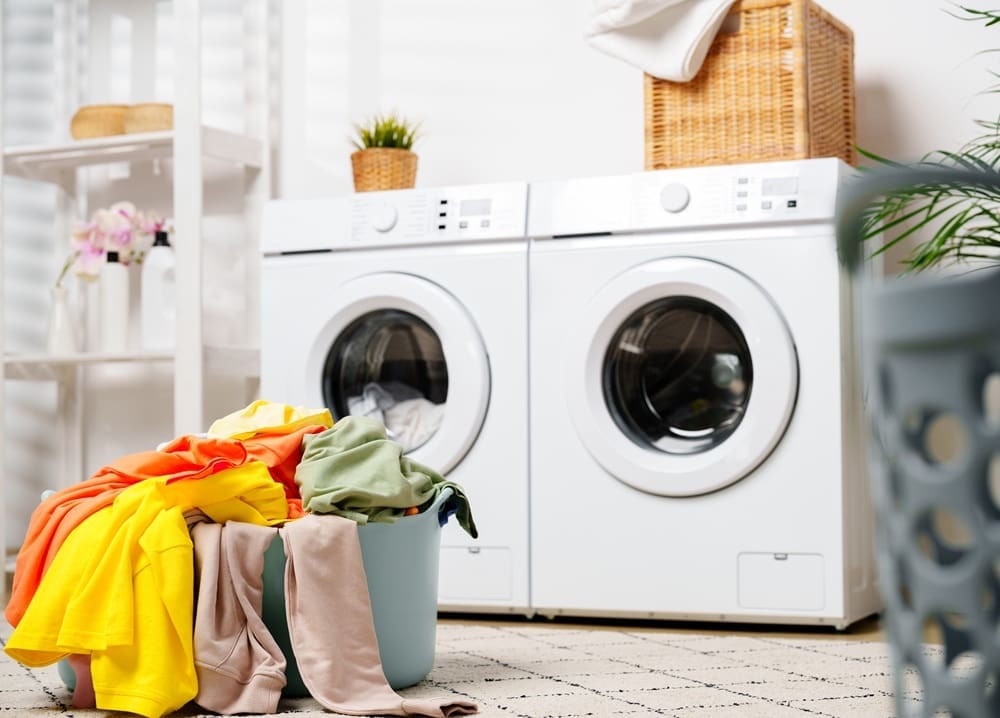
Can’t find a moment in your hectic schedule to wash, dry, and fold? Don’t stress, Sterling Cleaners will do it for you! We also offer FREE Pickup and Delivery Service right to your door. Our team collects your garments (everything from work uniforms to household essentials) and returns them freshly cleaned, perfectly pressed, and ready to wear or use. It’s dry cleaning and laundry services designed around your life, with convenience at its core.
As part of Imperial Valet, Washington D.C.’s largest family-owned dry cleaner serving the region since 1936, Sterling Cleaners carries on a legacy of quality and commitment. Located near Dupont Circle, we’re proud to provide premier garment care to the entire D.C. Metropolitan Area.
Sign up today and discover how laundry can finally fit into your lifestyle. With Sterling Cleaners, it’s just a quick call or email away.
In a busy household, the laundry basket never seems to stay empty for long. There are the kids' uniforms, the delicate blouses that can’t go in with the towels, and sheets that somehow always need washing. To get out of this endless spin cycle, many of us end up sacrificing our evenings or weekends just to keep up. And even then, it still feels like we’re behind.
If that sounds like your weekly routine, don’t worry – there are smarter ways to stay on top of it all. Let’s jump into a few time-saving laundry hacks that can lighten your load (literally) and give you back some much-needed breathing room.
1) Sort Your Laundry as You Go
If you're waiting until laundry day to separate whites from darks, or towels from delicates, you're adding unnecessary steps to an already tedious process. Instead, get ahead by sorting as you go. It makes your laundry process smoother and helps prevent fabric damage from improper mixing. Whether you do your own washing or rely on a laundry delivery service, this one habit sets you up for success.
Some helpful tips when sorting laundry:
- Use separate bins or hampers labeled for whites, colors, and towels.
- Keep a small mesh bag hanging nearby for socks and delicates.
- Consider a sectioned laundry sorter cart if space allows.
- Teach everyone in the home to drop their items in the right spot.
- For apartment dwellers, slim stackable baskets work just as well.
2) Use Mesh Bags for Small or Delicate Items
You’re not the only one who’s had laundry disasters. Missing socks, bleeding color, or tangled delicates happen to the best of us. Small and fragile items are more likely to stretch, tangle, or get damaged during the wash and dry cycles.
Mesh laundry bags help protect those pieces without needing a separate cycle or handwashing. They're a simple addition that improves results without adding time. Plus, they keep your laundry more organized from start to finish.
What to place in your mesh bags:
- Bras, lace items, or padded lingerie
- Socks (especially pairs that always disappear)
- Hosiery, tights, or thin underlayers
- Reusable masks, cloth pads, or handkerchiefs
- Delicate tops or sheer fabric pieces
3) Wash Full Loads, But Don’t Overstuff
Washing small loads wastes time, energy, water, and detergent. On the other hand, overloading your washer keeps clothes from getting fully clean and slows the drying process. The key is to aim for full but not jam-packed loads.
A properly filled washing machine works more efficiently and finishes cycles faster. It also reduces how many loads you have to do each week, whether you’re handling laundry yourself or using a wash and fold pickup and delivery service.
Here's how to properly load the washing machine:
- Fill the drum about three-quarters full, leaving space at the top for movement.
- Clothes should move freely when the machine runs, not be pressed tightly together.
- In top-loaders, make sure clothes are evenly distributed to avoid imbalance.
- In front-loaders, a hand's width of space at the top is ideal.
4) Choose the Right Wash Cycle Every Time
Each cycle on your washing machine is designed for different fabric types and soil levels. Using the right setting helps your machine clean better and finish faster. It also preserves the quality of your clothing, so you don’t have to replace garments prematurely. Whether you're using your own washer or trusting a laundry service that delivers, knowing the difference matters.
Quick reference guide for common wash cycles:
- Normal/Regular: Best for everyday items like shirts, socks, and jeans.
- Heavy Duty: Ideal for towels, linens, or very dirty clothes.
- Delicates/Gentle: Perfect for lace, silk, or anything labeled “hand wash.”
- Quick Wash: Use for lightly soiled clothes when you're short on time.
- Cold Wash: Preserves dark colors and prevents shrinking in most fabrics.
5) Use a Fast-Dissolving Detergent or Laundry Pod
Measuring liquid detergent, dealing with clumps, or dealing with leftover powder slows everything down. Using fast-dissolving pods or high-efficiency liquids keeps the process clean and quick. They're especially helpful in low-temperature washes, which are better for colorful or delicate clothing. Fast-dissolving options also help prevent buildup in your machine and on your clothes. This means fewer issues, better cleaning, and less hassle.
Just remember:
- Pods: Convenient, pre-measured, and great for everyday loads.
- HE Liquid: Best for pre-treating stains and washing delicates.
- Avoid Powders: These may not fully dissolve in cooler water and can leave residue.
6) Shake Out Clothes Before Putting Them in the Dryer
Clumped-up clothes trap moisture, take longer to dry, and come out wrinkled. Taking a few seconds to shake out each item before tossing it in the dryer helps air circulate better. This simple action speeds up the drying time and makes folding easier. It also reduces wrinkles, which means less time ironing or steaming later. If you’re folding laundry on a tight schedule or prepping for the week, this step makes a noticeable difference.
The items you should be shaking include:
- Shirts and dresses: Prevents stuck seams and speeds up drying.
- Pants and trousers: Avoid twisted legs and reduce wrinkling.
- Socks and undergarments: Helps small items dry evenly and faster.
- Linen and bedding: Prevents balled-up sheets from staying damp.
7) Clean the Lint Trap Before Every Dry Cycle
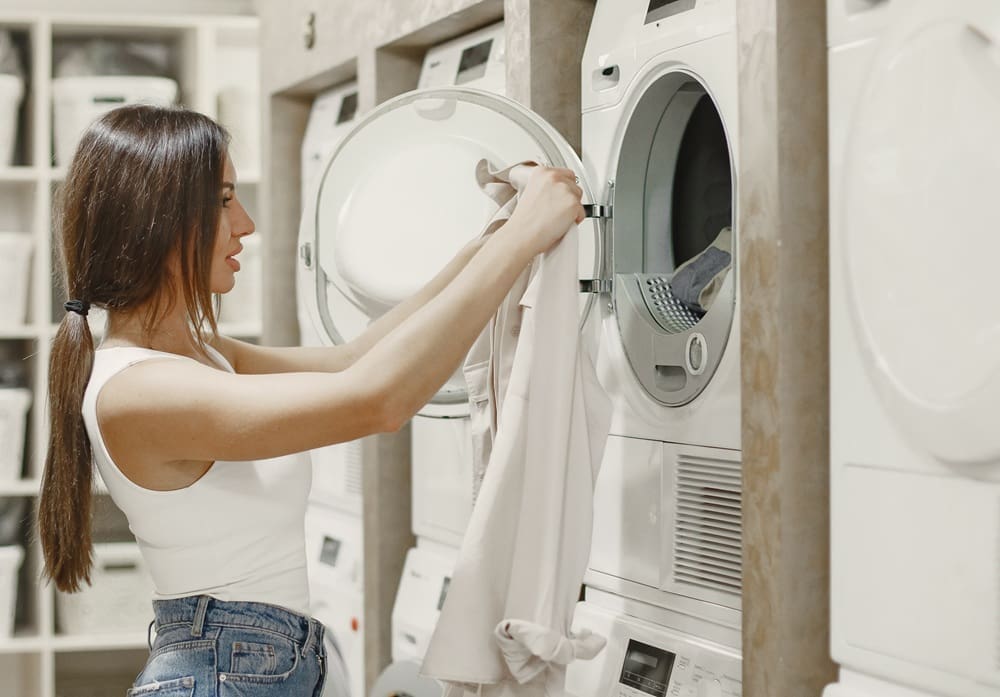
A full lint trap restricts airflow and makes your dryer less effective. That means clothes take longer to dry, your utility bill goes up, and you risk damaging fabrics from prolonged heat exposure. Cleaning the lint trap takes less than a minute and makes a huge difference in efficiency. It's also a key fire safety step that every laundry doer should follow. Whether you're doing loads at home or preparing for pickup, it’s a must.
How to quickly clear the lint trap:
- Step 1: Before starting the dryer, pull out the lint screen.
- Step 2: Remove all visible lint using your hand or a soft brush.
- Step 3: Wipe down the screen every few loads to clear detergent buildup.
- Step 4: Once a month, wash it with mild soap and warm water dry thoroughly.
8) Set a Timer to Stay on Track
It’s easy to forget you’re doing laundry until you hear the machine beep or until the clothes have been sitting too long. Setting a timer helps you stay on track and avoid letting wet clothes sit and smell or letting dry clothes wrinkle.
Timers also help you plan your day more efficiently, so you can return just in time to switch loads or fold while items are still warm. It’s one of the easiest habits to adopt that saves both time and stress.
Here are some tips you'll love:
- Use your phone’s built-in alarm or timer app for each cycle.
- Smart speakers (like Alexa or Google Home) can set voice-activated reminders.
- Many modern washers and dryers have built-in timers or app alerts.
- If you're using a pickup and drop-off laundry service, set reminders for delivery windows so you’re not caught off guard.
9) Use a Wash & Fold or Pickup and Delivery Service
If laundry consistently eats up your time or energy, the fastest way to cut it in half or eliminate it entirely is to outsource it. Wash & fold services, especially those that offer laundry pickup & delivery, can completely remove laundry routine from your weekly to-do list. Professionals handle the sorting, washing, drying, and folding so you can focus on your life, not your laundry.
It’s ideal for busy professionals, parents, or anyone juggling work, events, or travel. And in cities like Los Angeles, Boston, Chicago, Dallas, or Washington, these services are widely available and reliable.
What to expect from a laundry pickup and delivery service:
- Clothes are sorted by color and fabric for proper washing.
- Eco-friendly, high-efficiency detergent is typically used.
- Items are dried, folded, and packaged neatly, often same-day or next-day.
- Optional add-ons include stain removal, ironing, or dry cleaning.
- Online scheduling and recurring service options save even more time.
Want to Cut Laundry Time in Half, or Even More? Schedule Your Wash & Fold Pickup Today with Sterling Cleaners!
No time for laundry this week? You don’t need it. Whether you’re buried in meetings, managing a household, or simply tired of the never-ending wash–dry–fold cycle, Sterling Cleaners is here to take over your laundry routine for good. Our professional wash and fold laundry service in Washington, D.C., is designed for busy families, professionals, and business owners who want reliable, high-quality care without the hassle.
With nearly 90 years of trusted garment care, we bring unmatched reliability and attention to detail to every load. We follow CDC, OSHA, ALM, and DLI guidelines and use EPA-registered sanitizers to ensure your laundry is not only fresh but truly safe.
There are no hidden fees with any of our services, even if you opt for our dry cleaning, alterations, or leather cleaning.
Schedule your first FREE pickup today with Sterling Cleaners:
📞 Call us at 202-759-5460
📧 Email: info@sterlingcleaner.com